Natural Dyes Madison Children's Museum
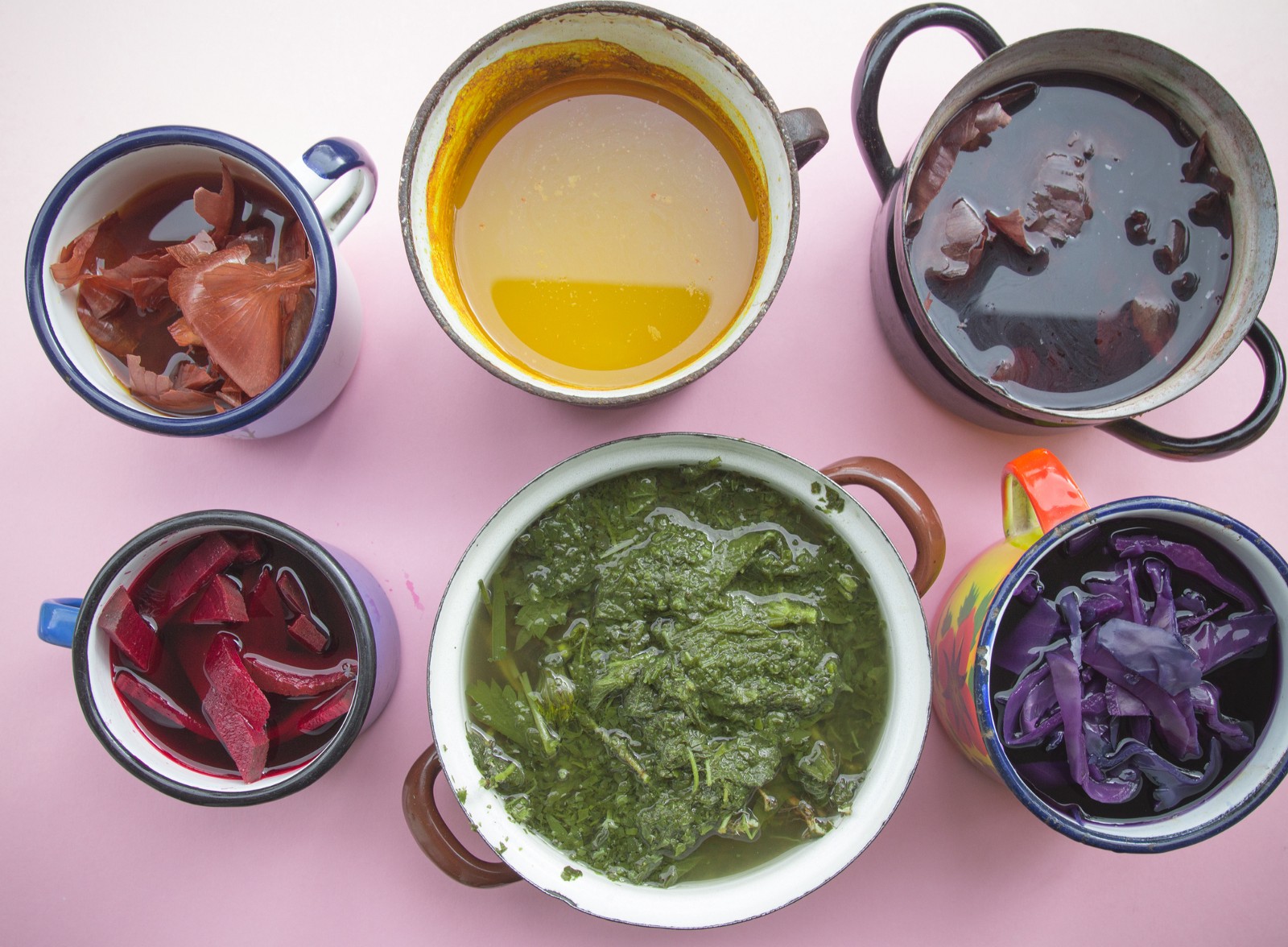
2. While boiling, prep your dye by chopping up your food scraps. The ratio of water to dye material is 2:1, so plan accordingly. If you're dyeing a lot of fabric, you'll need more dye material and water—the solution should completely cover whatever it is that you're dyeing. 3.
Natural Dyes/Colors YouTube

A Year in Natural Dyes is a rolling monthly subscription where old content expires each new month. After content retires- Subscribers receive downloadable PDF versions of their subscribed months' content to keep and reference forever! Content each month will include:
Natural Dyes The Development and Application Pariss Textile

The first method involves stovetop simmering. You'll need water and crushed ingredients in a 1:1 cup ratio. If you're only using spices, use 1 cup of water to 1 tablespoon of spice instead. Simmer everything until you achieve the desired color — this could take anywhere from a few minutes to over an hour.
Natural dyes from dye plants buy natural dyes & learn how to do dye with them Wild Colours

This is the first workshop in our Captured by Colour Series. Award winning textile artist Trudi Pollard explains the importance of preparation and materials..
Beginner's Guide to Natural Dyes for Fabric and Yarn La creative mama

Natural dyes are pigments derived from plants, animals, or minerals and they have been used for centuries to add colour to fabrics, textiles, and other materials.. FelinFach means "Little Mill" and is based in a 200-year-old former flour mill in Pembrokeshire, Wales, UK. Our Mission is, Natural - Traditional - Handmade..
Natural Dyes The New York Times

2024 Gift Certificate- A Year in Natural Dyes Year Membership- Get 1 month FREE.. Gift Certificate for Any 3 Natural Dye Lessons and/or Tutorials. $60.00 Gift Certificate for Any 5 Natural Dye Lessons and/or Tutorials. $100.00 Gift Certificate for Any 10 Natural Dye Lessons and/or Tutorials. $200.00 thedogwooddyer@gmail.com . the dogwood.
How to Make Natural Dyes From Things You Already Have Around Your House Fashionista
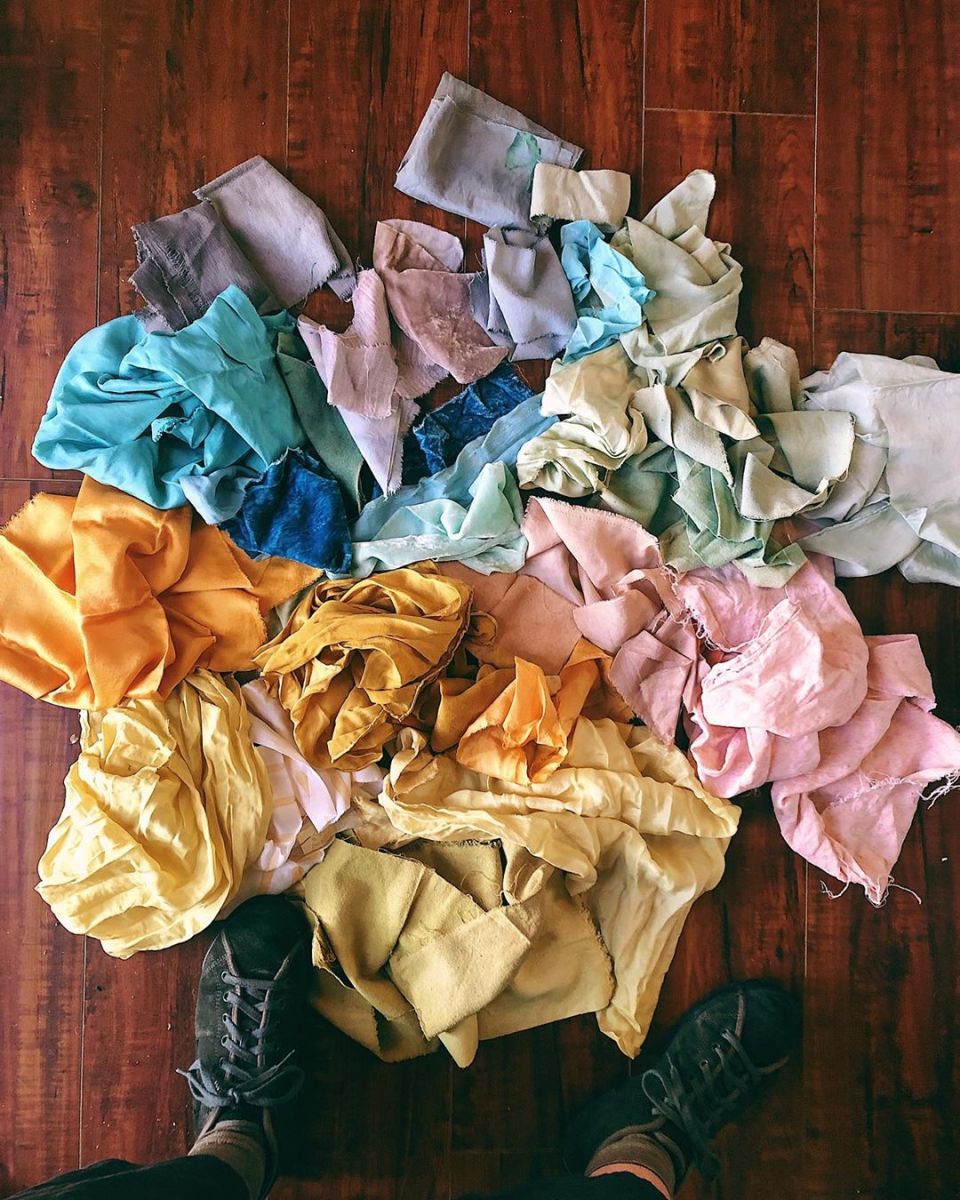
Presently thousands of synthetic dyes are being produced mainly for textiles near about 8 × 10 5 tons per year in the world [9].. Natural dyes and pigments can be used with caution as some of natural dyes are also toxic and mostly non toxic natural dyes and pigments are not suitable for application [23]. Dye industries are facing problems.
Natural Dyeing Learn How to Create Colour and Dye Textiles Naturally eBook Davey, Kathryn

Shop About Journal Subscribe- A Year in Natural Dyes workshops Back Online Workshops & Gift Certificates Kits, Flowers, Seeds, and More. Gift Certificate for Any 5 Natural Dye Lessons and/or Tutorials. $100.00 Gift Certificate for Any 10 Natural Dye Lessons and/or Tutorials. $200.00
Natural Dyes Its importance, Properties, Seven Natural dye yielding plants Home Health Beauty

Shop About Journal Subscribe- A Year in Natural Dyes workshops Back Online Workshops & Gift Certificates Kits, Flowers, Seeds, and More. With experience tending organic natural dye gardens nestled between rows of a family heritage orange grove in southern California, the urban sidewalks of Brooklyn New York, and in the tradition of an.
The Benefits of Natural Dyes My Wellness Me

Shop Online Workshops & Gift Certificates Kits, Flowers, Seeds, and More Natural Dye Tutorials Natural Dye Lessons Dye Garden Guide About The Dogwood Dyer Process Gallery Journal Collaborations Blog Shibori Ecoprint Subscribe- A Year in Natural Dyes
Natural Dyes PDF Edited by E. Perrin Akçakoca Kumbasar Textile eBook

Natural dyeing is the art of coloring fabrics using pigments that you derive from nature. It is believed to have started over 4,000 years ago, with roots in multiple cultures from India to Egypt and China. These techniques extract colors from plants, minerals, and even insects, turning ordinary materials into colorful textiles.
Experimenting with Natural Dyes A Beautiful Mess How to dye fabric, Natural dye fabric

Set your burner to medium heat and bring the water to a simmer. Let simmer for about an hour. The longer you simmer the ingredient, the richer the color will be. Switch off the heat and allow the water to cool to room temperature. Strain your dye into a glass container and discard the fruit or vegetable material.
Subscribe A Year in Natural Dyes — the dogwood dyer
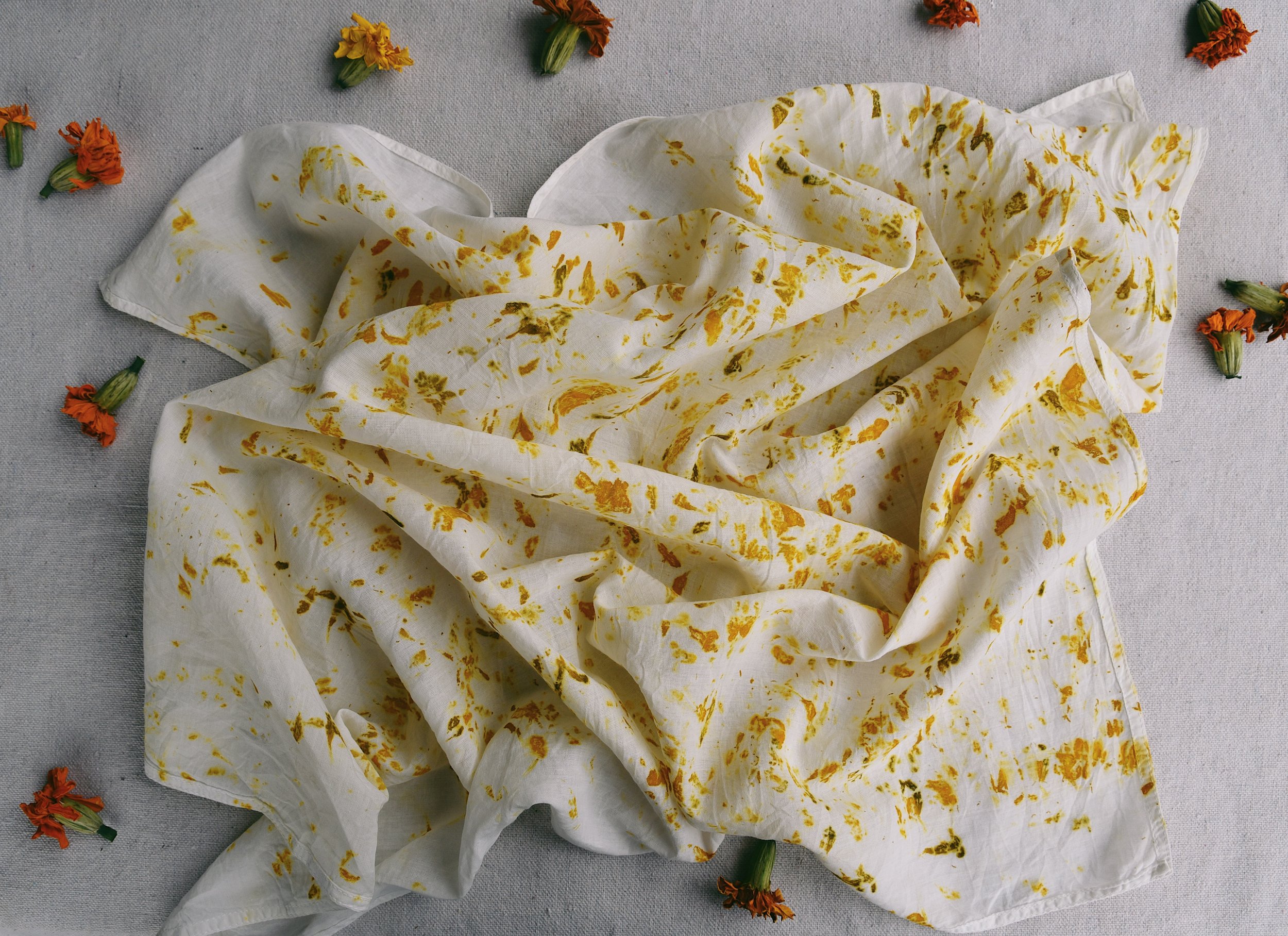
Add 2 teaspoons of lemon juice to the dye bath (the fiber is in the bath). Stir to make sure that the fiber is moving freely and that the modifier is reaching all areas of the fiber. Leave for fifteen minutes. the color should turn to a mandarin orange tone. Remove from dye bath, rinse well and dry.
Natural Dyes MAIWA

Natural dye. Naturally dyed skeins made with madder root, Colonial Williamsburg, VA. Natural dyes are dyes or colorants derived from plants, invertebrates, or minerals. The majority of natural dyes are vegetable dyes from plant sources— roots, berries, bark, leaves, and wood —and other biological sources such as fungi. [1]
Creating with Natural Dyes SC4A

Botanical ColorsIntroductionNatural dyes have been used for thousands of years to infuse fabrics with vibrant and captivating colors. From leaves and barks to roots and flowers, the world of natural dyes is rich and diverse. In this comprehensive guide, we will delve into the fascinating realm of natural dyeing, exploring the various materials used, the dyeing process, and the resurgence.
Natural Dyes vs. Chemical Dyes UrbanGypZ
So What Are Natural Dyes? Synthetic dyes were first created in the mid-1800s and almost immediately adopted by many for their low-cost factor. Before then, people had to use what was naturally around them including plants, insects, food, and minerals. The earliest record of the use of natural dyes is from 2600 BC in China. By the 4th century AD.
.